At the Maryland Department of Transportation (MDOT), we strive to provide the safest transportation network in the nation. As a Vision Zero state, we are committed to eliminating all vehicle-related deaths and serious injuries on our roadways by 2030.
Despite our proactive efforts in engineering, education, and enforcement, too many lives are still lost on our roadways. That’s why we are intensifying our safety initiatives with a dynamic, department-wide campaign.
Together, we can create a safe Maryland for all.
The Serious About Safety program is at the heart of MDOT's commitment to safety, emphasizing Four key pillars:
Transforming our business practices to prioritize safety in every project, policy, and standard we implement.
Championing and collaborating on legislation essential for enhancing safety outcomes across the state.
Leading and partnering to deliver bold and measurable action needed to improve safety outcomes.
Raising awareness through targeted outreach and education.
MDOT Modal Safety Work
Serious about Safety builds upon the important safety programs and initiatives already underway at MDOT’s Modal Administrations – the Maryland Aviation Administration (MAA); the Maryland Port Administration (MPA); the Motor Vehicle Administration (MVA); the State Highway Administration (SHA); the Maryland Transit Administration (MTA) – and Maryland Transportation Authority (MDTA) that are a part of MDOT.
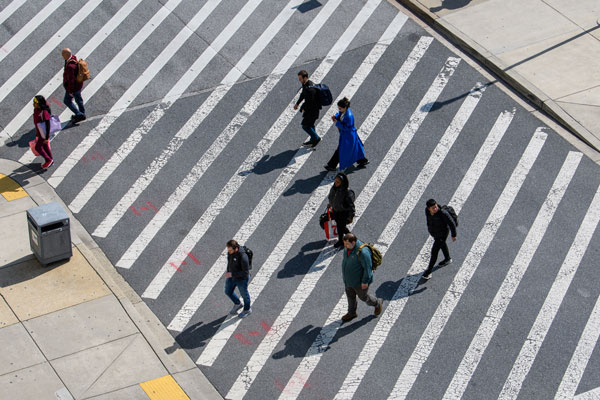
Pedestrian and Bicycle Safety Programs
- Pedestrian Safety Action Plan (PSAP)
- School Zone Safety Program
- Vulnerable Road User (VRU) Safety Assessments
- MTA Bus Operator Bicycle Safety Training Program
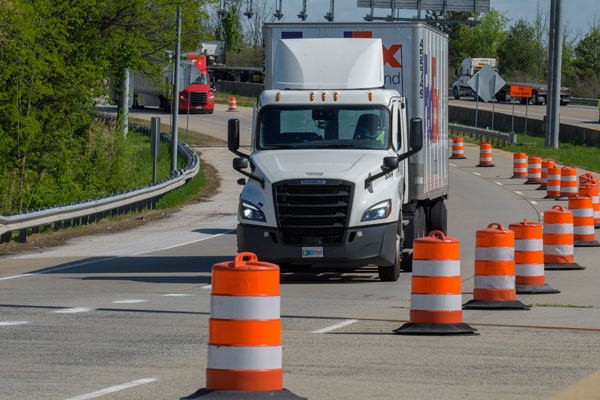
Roadway and Infrastructure Safety
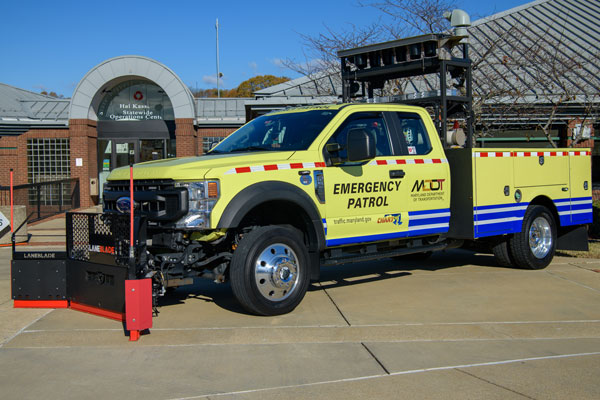
Emergency Response and Medical Services
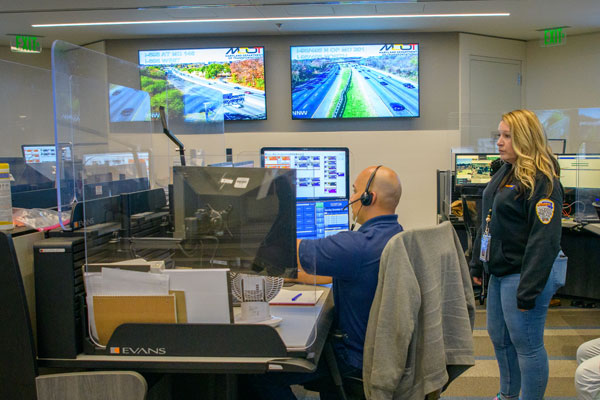
Data, Emerging Technology, and Innovation
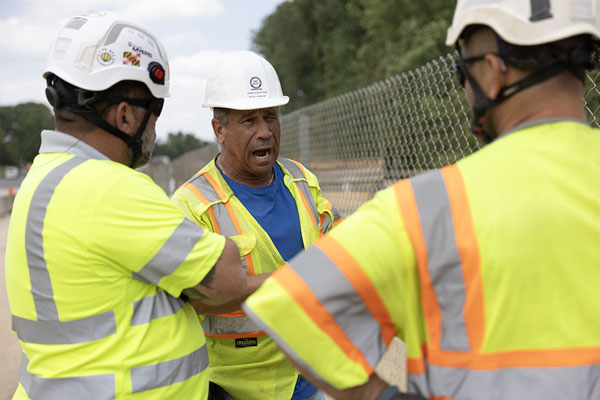
Occupational Safety and Health
- OSHA Compliance Inspections Program
- SHA Worker Safety Training and Certification
- Health and safety equipment program for first aid, CPR, AEDs, and personal protective equipment
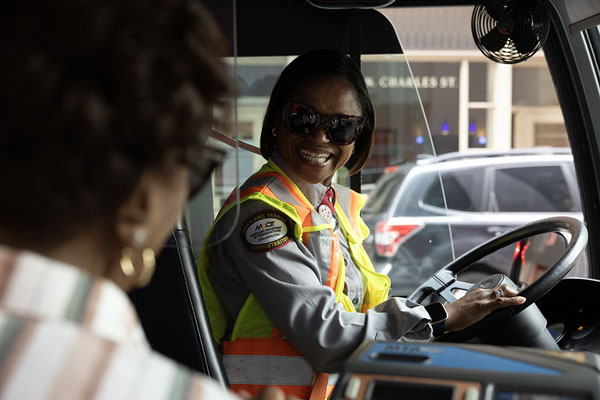
Systemwide Safety
- MTA Safety Management Systems
- MTA Joint Safety Committee
- MTA Safety and Security Certification Program
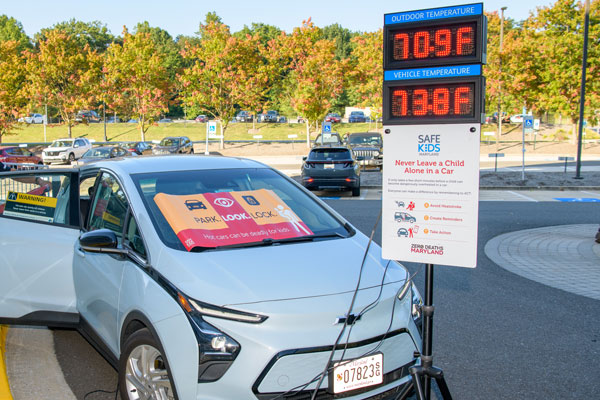
Local and Community-Based Safety Initiatives
Why is MDOT Focused on Safety?
Maryland is a Vision Zero state with a commitment to reach zero roadway fatalities and serious injuries by 2030. While MDOT has focused on improving transportation safety outcomes, the statistics show that Maryland is not on target to achieve its Vision Zero objectives.
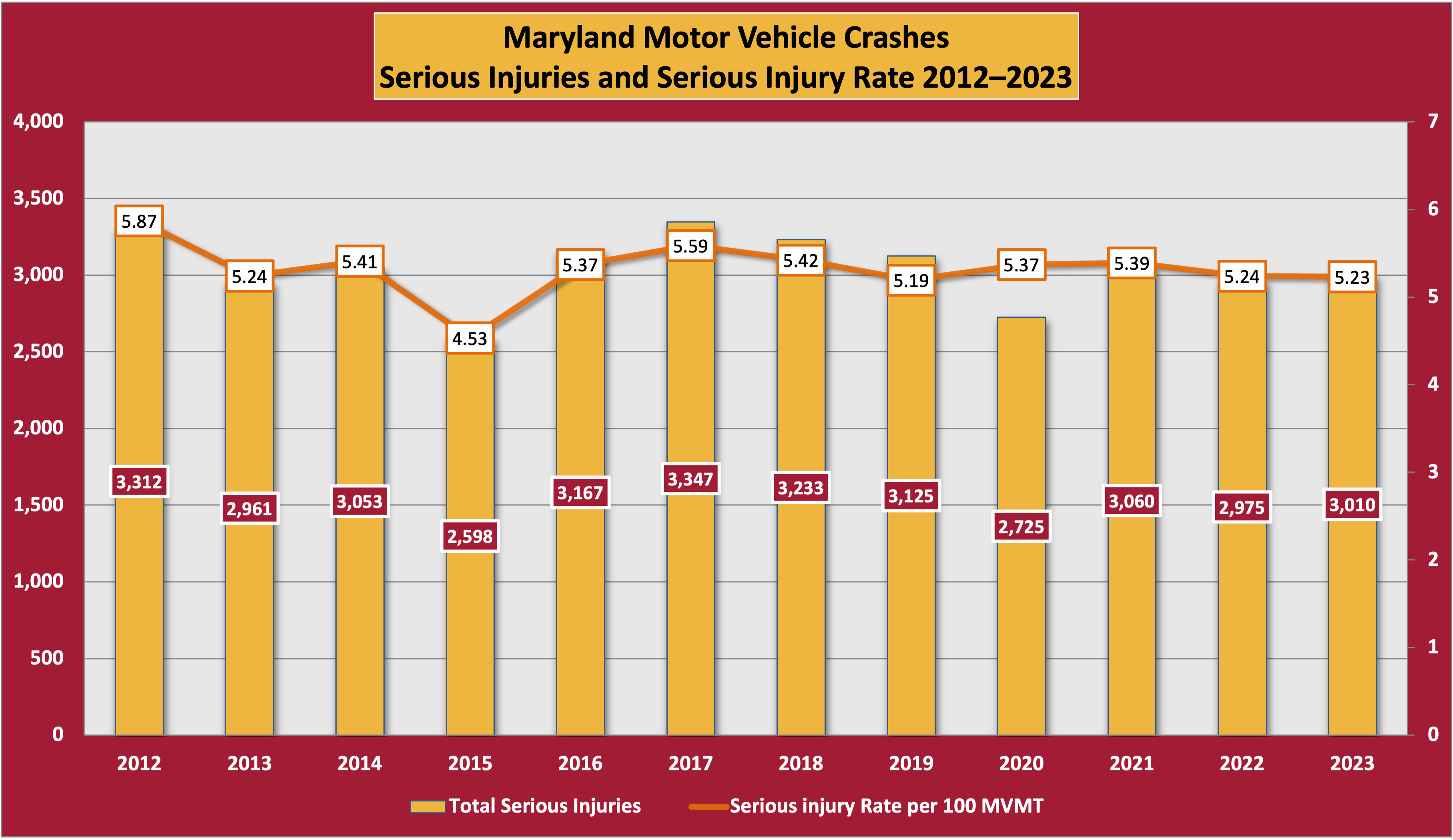
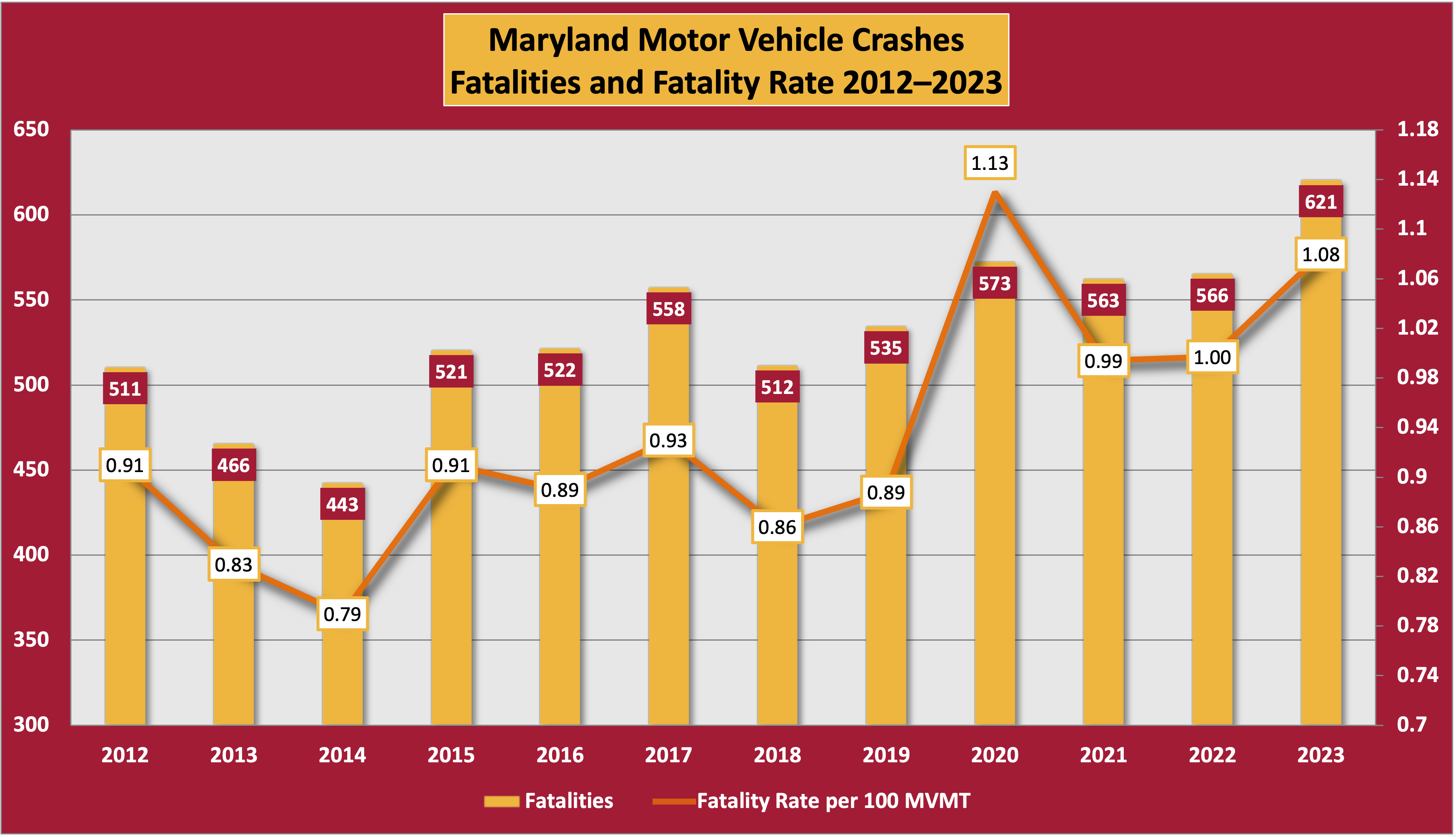
The heavy cost of crashes can be measured in other ways, too. Everyone recognizes that maintaining our infrastructure and reducing congestion is important. But the costs of inaction on those fronts in Maryland are eclipsed by the costs of crashes including, for example, medical care, market productivity, legal costs, and property damage. Specifically, annual safety costs are more than 2.5 times that of congestion and more than 5 times that of infrastructure in need of repair.
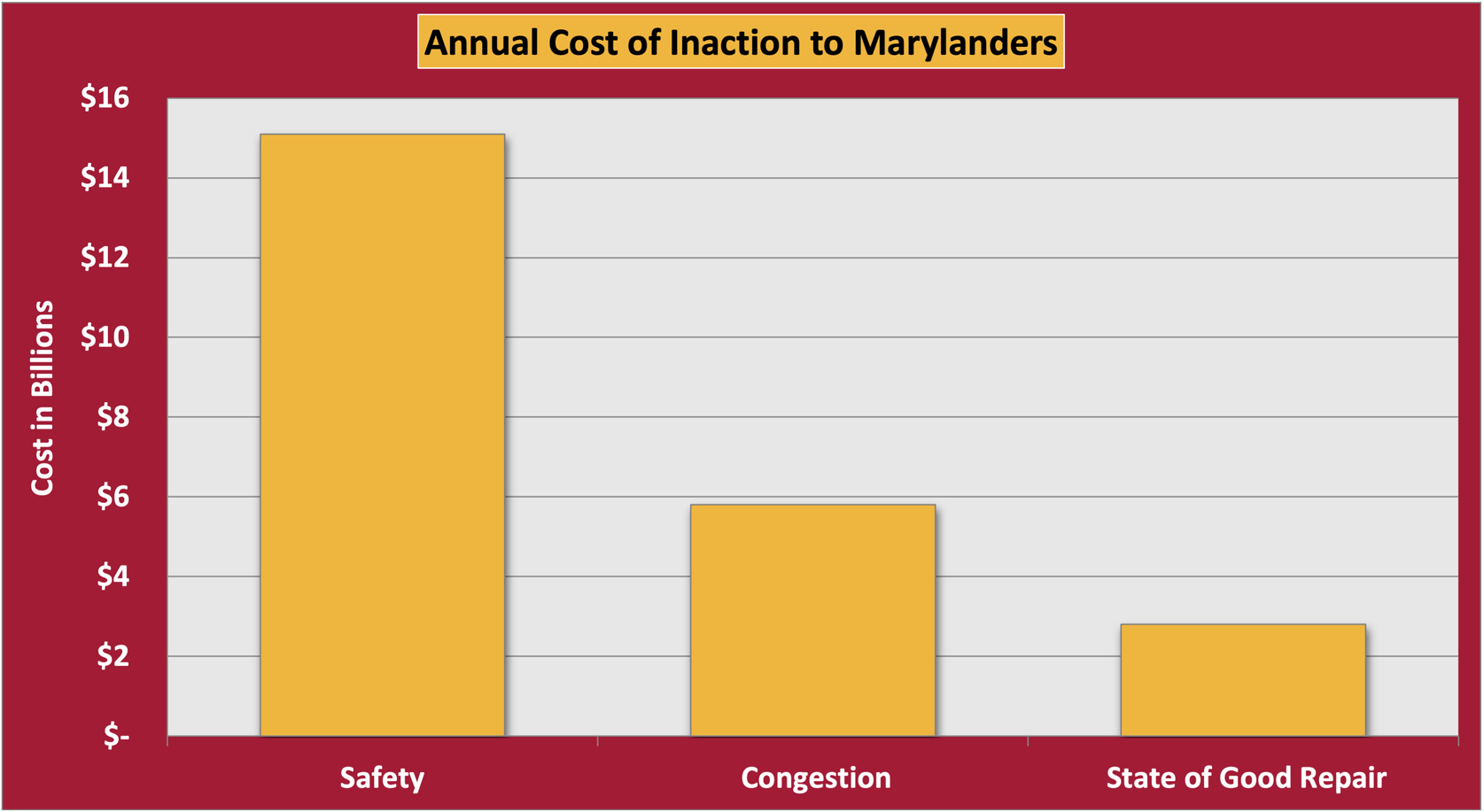
Safety cost calculated using methods described in the Crash Cost for Highway Safety Analysis (FHWA-SA-17-071), Chapter 6, FHWA Office of Safety 2021. Congestion cost from Keeping Maryland Mobile: Providing a Modern, Sustainable Transportation System in the Old Line State, TRIP, May 2023. State of Good Repair cost is from ASCE 2021 Infrastructure Report Card.